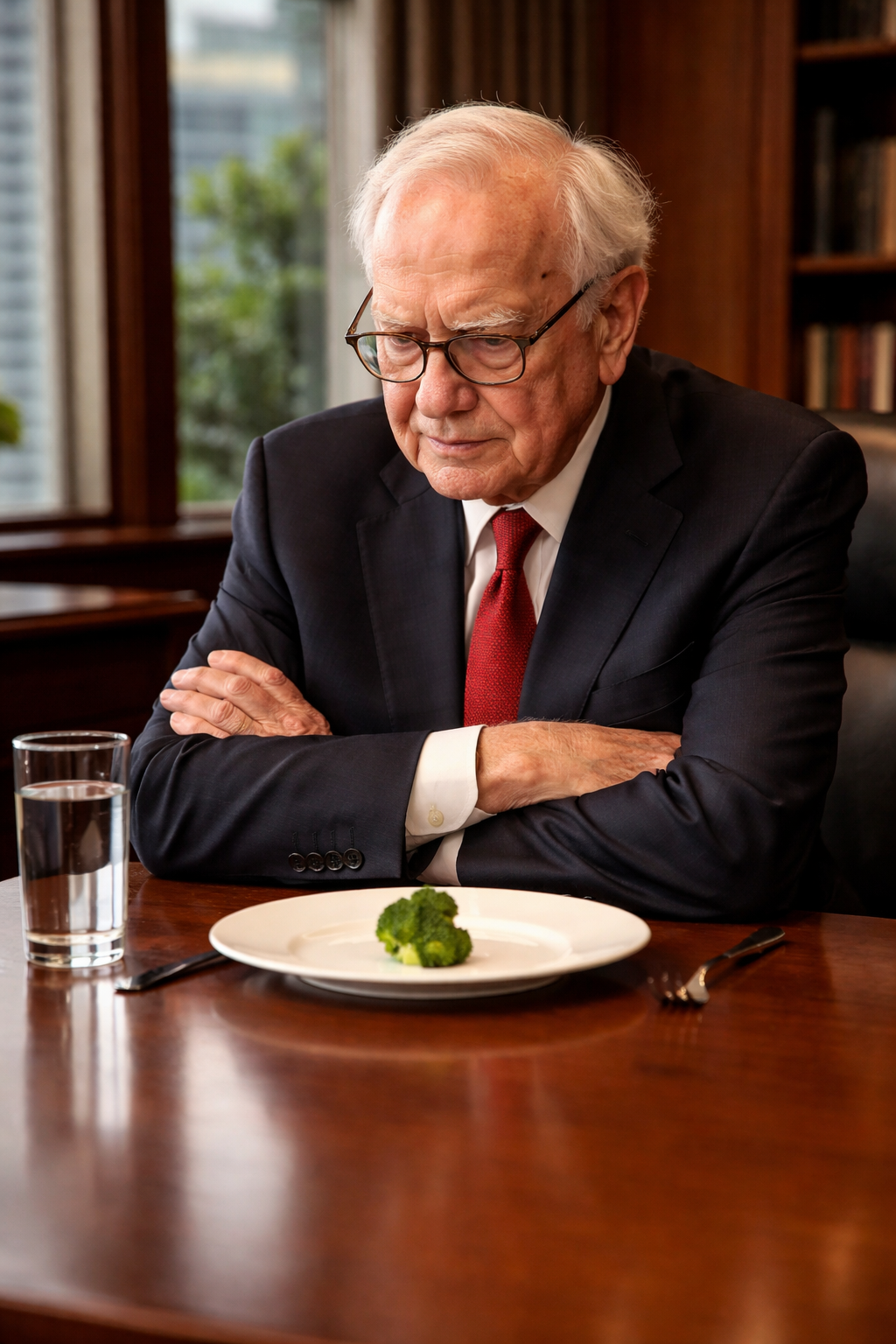
Self-discipline is one of the most powerful traits behind long-term success, and Warren Buffett consistently highlights it as a cornerstone of personal improvement. While he is best known for his investment achievements, Buffett’s philosophy extends far beyond finance. His approach to discipline, patience, and self-control offers timeless guidance for anyone seeking to improve their mindset, habits, and overall quality of life.
Buffett’s view on self-discipline is rooted in simplicity and consistency. He believes that success is rarely the result of dramatic actions, but rather the outcome of small, disciplined choices repeated over time. This perspective reframes self-discipline not as restriction, but as a strategic tool for freedom, clarity, and long-term fulfillment.
Understanding Self-Discipline Through Buffett’s Philosophy
Warren Buffett defines self-discipline as the ability to delay gratification and act in alignment with long-term values rather than short-term emotions. This principle governs how he thinks, learns, and makes decisions. Instead of reacting impulsively, he prioritizes thoughtful analysis and patience.
In everyday life, this mindset translates into resisting distractions, avoiding unnecessary risks, and staying focused on what truly matters. Self-discipline, in this context, is not about perfection but about consistency and intention.
By practicing restraint and thoughtful action, individuals can reduce stress, improve decision-making, and build confidence in their ability to stay on course.
The Role of Delayed Gratification in Personal Growth
Delayed gratification is a recurring theme in Buffett’s philosophy. He emphasizes that meaningful success often requires waiting, learning, and enduring short-term discomfort for long-term benefit. This principle applies equally to personal development.
Whether improving health, building skills, or strengthening relationships, progress depends on consistent effort over time. Choosing long-term rewards over immediate pleasure reinforces discipline and strengthens character.
Practicing delayed gratification also builds emotional resilience. It trains the mind to tolerate discomfort and remain focused despite uncertainty or temporary setbacks.
Self-Discipline as a Foundation for Better Decisions
Buffett’s disciplined thinking enables him to make rational decisions even in emotionally charged situations. He avoids following trends or reacting to fear and excitement. This level of control is a direct result of disciplined habits and clear principles.
Applying this approach to personal life helps reduce impulsive behavior. Self-discipline creates space between stimulus and response, allowing for thoughtful choices rather than automatic reactions.
Over time, disciplined decision-making leads to better outcomes and reinforces trust in one’s judgment.
Building Discipline Through Daily Habits
Warren Buffett’s success is closely tied to his daily routines. He values simple, repeatable habits such as reading, reflection, and focused thinking. These habits reinforce discipline without requiring excessive effort.
Personal improvement follows the same pattern. Small daily actions, when practiced consistently, shape identity and behavior. Discipline grows stronger as habits become automatic.
Establishing routines reduces reliance on motivation. When actions are habitual, progress continues regardless of mood or external circumstances.
The Importance of Focus and Saying No
One of Buffett’s most well-known principles is the importance of focus. He believes that success comes from concentrating on a few priorities and eliminating distractions. This requires the discipline to say no to opportunities that do not align with long-term goals.
In personal life, this means protecting time, energy, and attention. Saying no to unnecessary commitments allows greater focus on growth and meaningful pursuits.
Discipline in focus leads to clarity. When priorities are clear, effort becomes more effective and less scattered.
Emotional Control and Inner Discipline
Self-discipline is not limited to behavior; it also involves emotional regulation. Buffett’s calm and measured demeanor reflects his ability to manage emotions under pressure. This emotional discipline prevents rash decisions and maintains clarity.
Developing emotional control helps manage stress, conflict, and uncertainty. It allows individuals to respond thoughtfully rather than react impulsively.
Inner discipline strengthens resilience and supports mental well-being, making it easier to stay committed to personal goals.
Learning as a Discipline
Buffett treats learning as a disciplined practice rather than a sporadic activity. His commitment to daily reading demonstrates how discipline fuels intellectual growth.
Continuous learning sharpens thinking and expands perspective. It provides the tools needed to adapt and improve over time.
By approaching learning with discipline, individuals create a lifelong habit that supports personal and professional development.
Consistency Over Intensity
A key lesson from Buffett’s approach to self-discipline is the emphasis on consistency over intensity. Extreme efforts are often unsustainable, while steady progress compounds.
Personal improvement thrives on manageable actions performed regularly. This approach reduces burnout and increases long-term adherence.
Consistency builds trust in oneself, reinforcing confidence and commitment.
Applying Buffett’s Self-Discipline to Everyday Life
Buffett’s principles can be applied to all areas of life, including health, relationships, and career growth. The key is aligning daily actions with long-term values.
Self-discipline becomes easier when goals are clear and meaningful. Purpose provides motivation, while discipline ensures execution.
Reflection and adjustment help maintain alignment as circumstances change.
The Transformational Power of Self-Discipline
Mastering self-discipline leads to profound personal transformation. It improves focus, emotional stability, and self-respect. Over time, disciplined actions shape identity and reinforce positive habits.
Warren Buffett’s example demonstrates that self-discipline is not about restriction, but about empowerment. It enables individuals to direct their lives intentionally rather than reactively.
By embracing self-discipline as a lifelong practice, anyone can master the art of personal improvement and build a foundation for lasting growth, clarity, and fulfillment.